

Should a company’s digital transformation be implemented all at once or in phases?
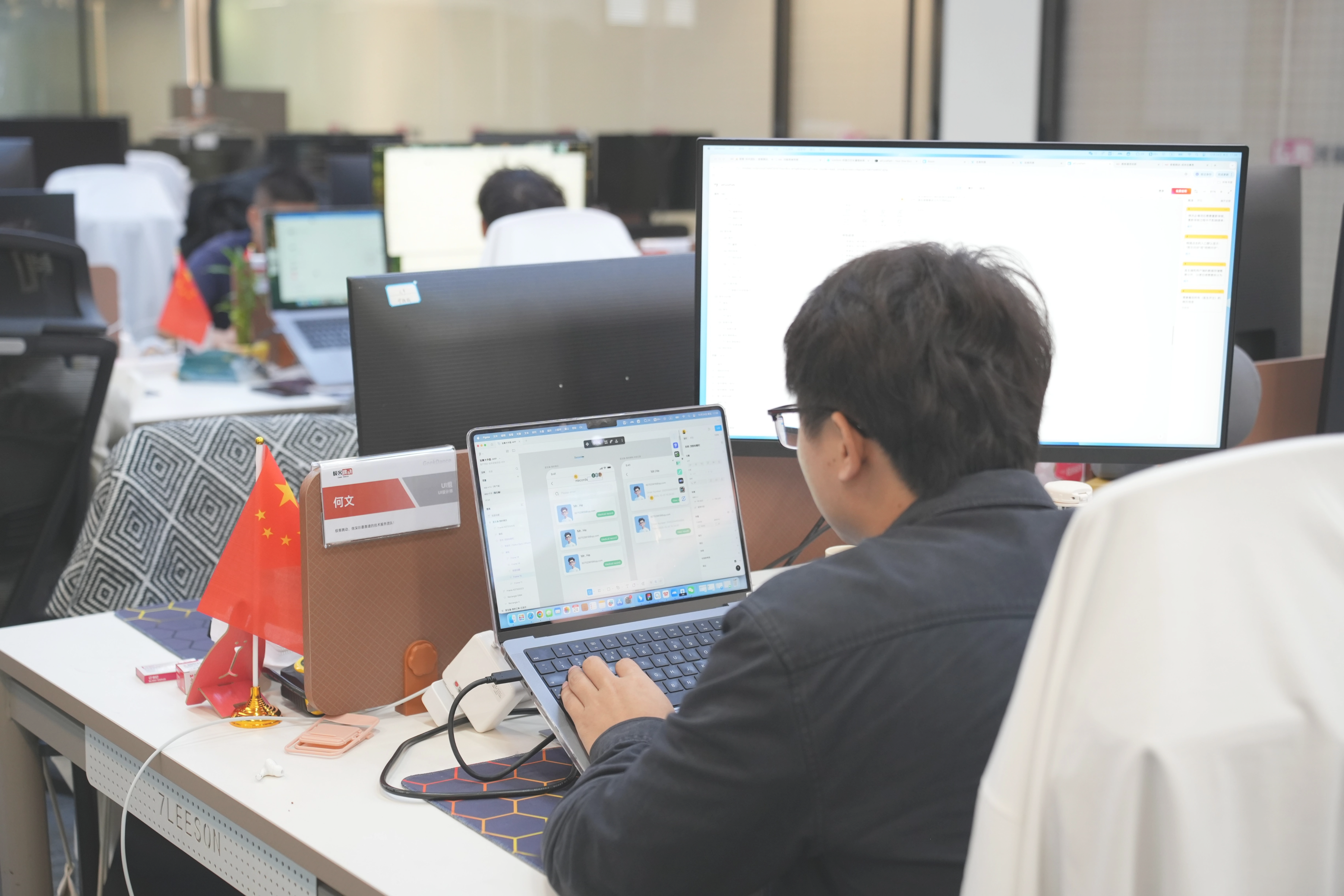
Many enterprises want to pursue digital transformation, yet hesitate due to concerns over technical complexity or wasted investment. With 10 years of experience in AI technology services and software development, GeekDance has helped over 100 enterprises transform digitally and successfully delivered more than 300 digital projects. Through these practices, we have identified a core principle: enterprises do not need to rush into “full-scale digitalization.” By adopting a phased software development approach—“solving pain points first, building systems next, and expanding impact last”—companies can reduce risks and achieve tangible results.
1. Why Enterprises Should Transform in Phases: Mitigating Risks Before Scaling
Many enterprises aim for “comprehensive digitalization” from the start, only to encounter serious obstacles. Among GeekDance’s clients, nearly 30% had previously attempted to launch full systems at once—resulting either in low employee adoption or misalignment with existing operations. The risks typically fall into three categories:
- Technical integration risks: A manufacturing plant purchased an off-the-shelf intelligent management system that proved incompatible with its production equipment. The new system disrupted existing workflows, causing a 3-day shutdown and losses exceeding RMB 200,000.
- Employee adoption risks: A retail chain deployed a fully digital workflow system, but cashiers and sales staff struggled to operate it, leading to customer complaints. The system was abandoned within two weeks.
- Investment waste risks: An education provider spent over RMB 1 million developing a comprehensive online platform, but ultimately used only the live-streaming feature—leaving course selection and Q&A modules idle and wasting over RMB 600,000.
GeekDance’s approach is to first assess existing business processes, staff capabilities, and core requirements, then develop adaptive software in stages—ensuring stable progress and faster visible results.
2. Real-World Cases of Phased Digital Transformation
While transformation needs vary by industry, the principle of “phased development with on-demand upgrades” is universal. The following three cases—spanning manufacturing, retail, and automotive—demonstrate how software development delivered measurable breakthroughs.
(1) Case 1: Digitizing Manufacturing for a Legacy Factory—40% Efficiency Gain in 3 Steps
Client Challenge: A 20-year-old auto parts manufacturer relied on manual data recording. Order delays reached 25%, and quality pass rates were only 88%. While eager for smart manufacturing, the client feared production disruption.
Phased Solution:
- Step 1: Launch a lightweight data collection tool within 1 month—integrating device sensors, QR-based progress logging, and exception alerts.
Result: Data recording time dropped from 2 hours to 20 minutes; order delays reduced by 15%. - Step 2: Pilot AI-based quality inspection on 2 production lines—using image recognition to assess parts in 1 second, 5× faster than manual checks, with on-site training provided.
Result: Quality pass rate increased to 96%, saving the cost of 3 inspectors per line and RMB 60,000 per month. - Step 3: Deploy a full-process management system—integrating data collection, AI inspection, and order management, with mobile dashboards and automated scheduling.
Result: Order delays dropped to 5%, overall efficiency improved by 40%, with no production disruption.
(2) Case 2: Online–Offline Integration for a Fashion Retail Chain Through Live Commerce
Client Challenge: A chain of 12 apparel stores saw foot traffic cut in half after the pandemic. Attempts at live streaming failed due to technical barriers and high outsourcing costs.
Phased Solution:
- Step 1: Develop a lightweight in-store live streaming tool (cost under RMB 20,000)—supporting mobile use, one-click product links, coupons, and inventory sync.
Result: A pilot store sold out monthly inventory in 3 days; sales staff income rose from RMB 5,000 to RMB 20,000. - Step 2: Introduce a training system and data dashboard—providing live-stream tutorials and real-time performance insights.
Result: 8 stores went live; monthly sales increased by 80%, with underperforming stores growing by 30%. - Step 3: Launch an integrated O2O system—enabling online orders with in-store pickup and unified membership points.
Result: Annual revenue across 12 stores grew by 280%; online and live-stream orders accounted for 50%, with payback achieved in 3 months.
(3) Case 3: Automotive User Sentiment Analysis—From Reactive to Proactive
Client Challenge: An automaker frequently faced complaints about infotainment lag and after-sales service, but lacked clear insights—often reacting only after issues went viral.
Phased Solution:
- Step 1: Build a public sentiment monitoring system—collecting comments from social media and automotive forums, filtering key topics, and generating daily reports.
Result: Customer service saved 4 hours per day and identified infotainment lag in the 2023 model as a major issue. - Step 2: Add AI sentiment analysis—classifying feedback as complaints, suggestions, or praise, and mapping issues by city and model.
Result: Software upgrades reduced complaints by 60%. - Step 3: Integrate product improvement workflows—connecting insights directly to R&D teams for rapid implementation.
Result: Positive ratings for the new infotainment system rose from 58% to 89%, while after-sales complaints dropped by 75%.
3. Three Keys to Successful Digital Transformation
Based on 10 years of experience, GeekDance believes successful transformation relies not on flashy technology, but on three fundamentals:
- Understand before developing: Identify real pain points and employee capabilities before building systems, avoiding one-size-fits-all solutions.
- Test small, then scale: Pilot with limited scope—one store or two production lines—before full rollout to minimize risk and optimize continuously.
- Software plus enablement: Adoption matters. We provide tutorials, on-site training, and operational support to ensure real-world usage.
4. Practical Value Matters More Than Technical Sophistication
While digital transformation is now a necessity, enterprises do not need to achieve perfection in one leap. Completing foundational stages first and progressing steadily toward higher maturity is often more effective.
GeekDance’s experience across 100+ enterprises and 300+ projects proves that companies do not need systems that merely “look advanced,” but solutions that solve real problems, are easy to use, and deliver measurable ROI. Phased development with on-demand upgrades reduces risk and accelerates results—this is the practical path to successful transformation, and the core reason we have remained committed to this work for over a decade.